Staying Creative: Tips for When the Inspiration Isn't There
Aug 27, 2026
Let me tell you something that took me a long time to accept.
Creativity isn't a tap you can turn on whenever you need it. It ebbs and flows. It shows up uninvited at 11pm when you're about to fall asleep, and then disappears completely the next afternoon when you've actually set aside studio time.
The artists who seem endlessly creative aren't blessed with some special supply of inspiration the rest of us don't have. They've just figured out how to keep showing up even when the creative well feels dry.
Here's what that looks like in practice.
Make Creating a Habit, Not an Event
The biggest mistake I see artists make is treating creativity like a special occasion. You wait until you have a big block of time, a perfect idea, and the right mood and then wonder why it never happens.
Creativity is a muscle. You build it by using it regularly, not by saving it for the right moment.
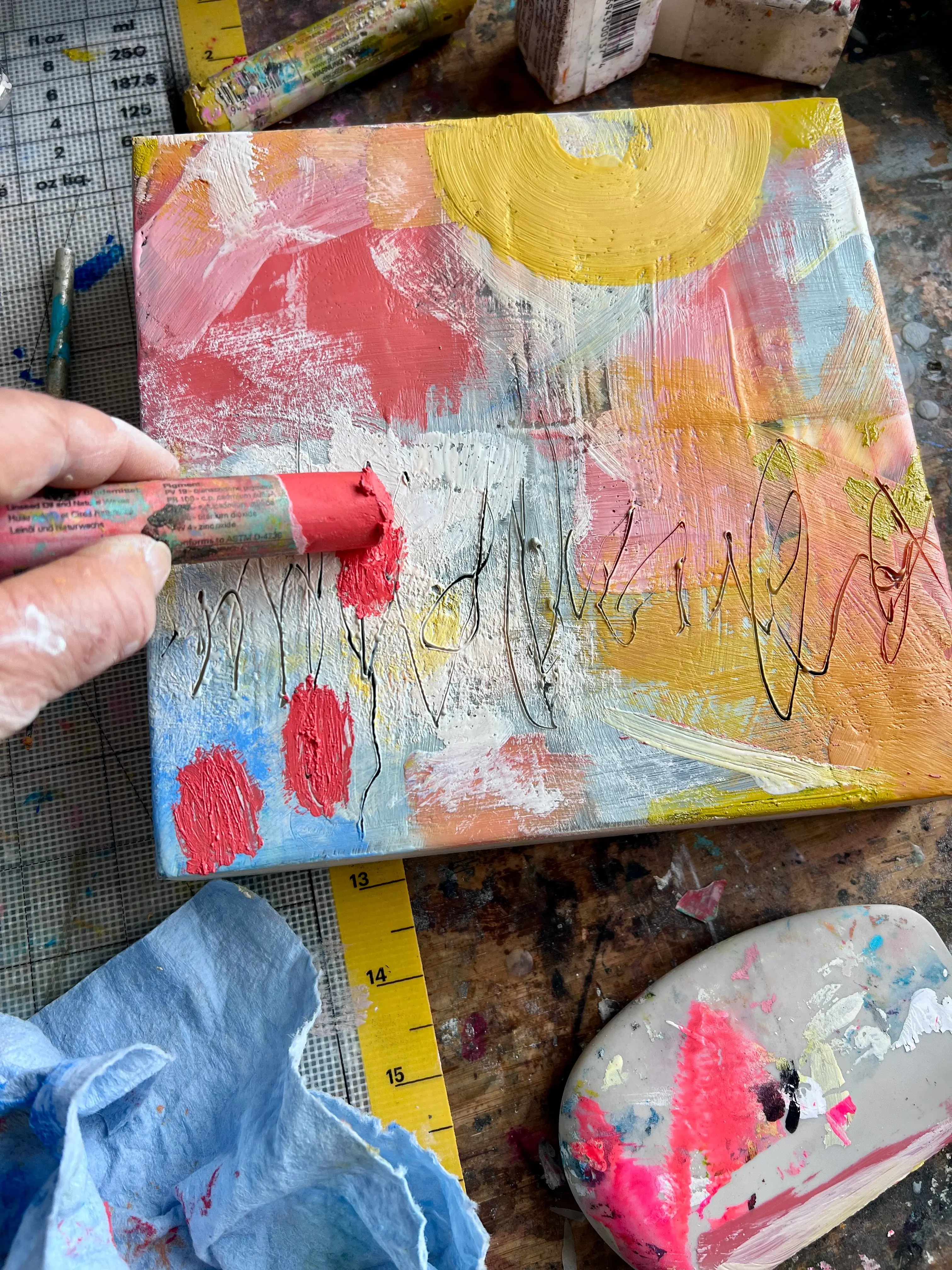
Even 20 minutes a day is more powerful than a four-hour studio session once a month. Show up at your creative space with regularity. Do something small. Make a quick sketch, mix a colour you've never tried, experiment with a scrap piece of material. The point is the consistent showing up.
Over time, your brain starts to associate that time and space with creating. It becomes easier to slip into that creative headspace because you've trained yourself to do it.
 |
Give Yourself ConstraintsThis sounds counterintuitive, but constraints are one of the most powerful creativity tools I know.
|
Consume to Create
I know it's easy to feel guilty about the time you spend looking at other people's art or browsing for inspiration. But consuming is part of creating.
Read books about artists you admire. Watch documentaries. Visit galleries. Walk through nature with your eyes actually open, noticing colour and light and texture. Flip through art books. Take photos of things that catch your eye.
You're not wasting time. You're filling the well so there's something to draw from.
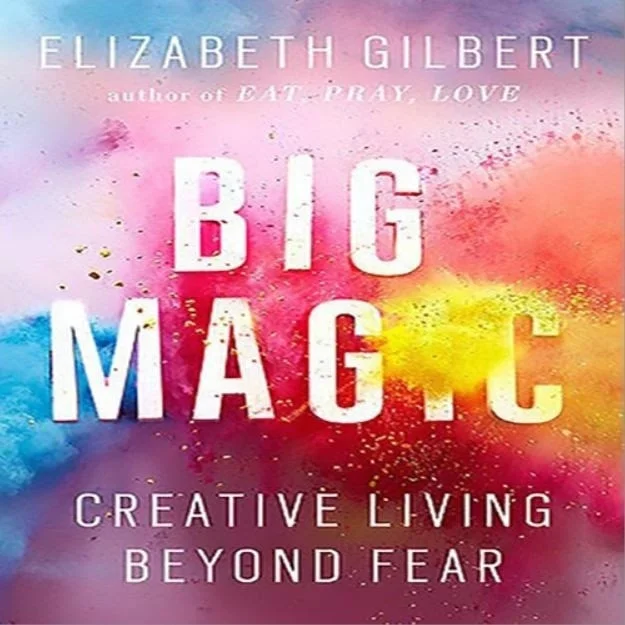
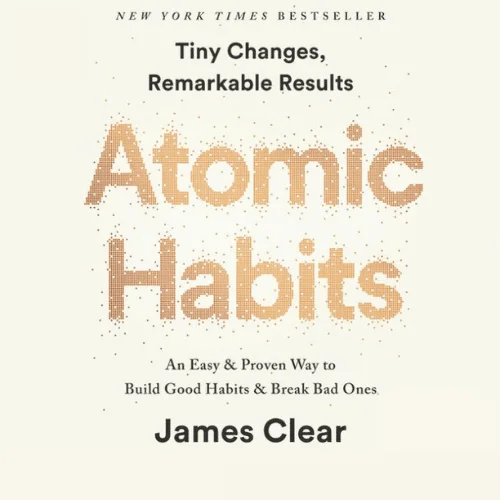
Two books I come back to again and again: Big Magic by Elizabeth Gilbert, which is one of the most honest and liberating books about creativity I've ever read — I read it in one sitting on a plane to Whistler and couldn't put it down. And Atomic Habits by James Clear, which isn't about art at all but is absolutely about how your daily practices shape who you become. Both worth reading if you haven't.
Rest Is Part of the Process
Here's a thing a lot of us don't give ourselves permission to hear: sometimes the most creative thing you can do is rest.
When you're exhausted, burnt out, or spread too thin, your creative output suffers. Not because you've lost your talent but because you've depleted your resources. You can't pour from an empty cup.
Rest, play, and spending time away from your creative work aren't lazy indulgences. They're how you come back to the work refreshed, with fresh eyes, excited to begin again.
Connect With Other Artists
Making art can be lonely work. You're often in a room by yourself, wrestling with ideas that don't quite come out the way you imagined them.
Finding community, even a small one, changes everything. When you're surrounded by other people who understand the creative struggle, who get excited about new techniques and talk about art the way you do, it lights something up.
Share your work. Ask questions. Celebrate other people's wins. Be part of a creative conversation, even if it's online. That kind of energy is contagious in the best possible way.
Remember Why You Started
On the hardest days, when nothing is coming and you're wondering why you even bother — go back to the beginning.
Why did you start making art in the first place? What did it feel like the first time you made something that surprised you? What is it about creating that matters to you, at the core of it?
Hold onto your why. It'll carry you through the dry spells.
Until next time, stay creative.
xo Jane.